

Solar in Texas
What it costs, what's still incentivized, and what actually changes your system size, before you talk numbers with anyone.
Energy Use InterviewWhy now
A fixed rate only holds until it doesn’t
Texas electricity rates have climbed for years, and even a good fixed plan only protects you for the length of the contract. When that term ends, you’re shopping again, against whatever the market looks like then. Solar is one of the few moves that actually lowers what you owe an electric company each month, instead of just finding a slightly better rate to owe it to.
Texas also has some of the best sun resource in the country outside the desert Southwest, so the physics genuinely work in your favor here. What doesn’t work in your favor automatically is a system sized off a five-minute online calculator instead of your actual roof and your actual usage.
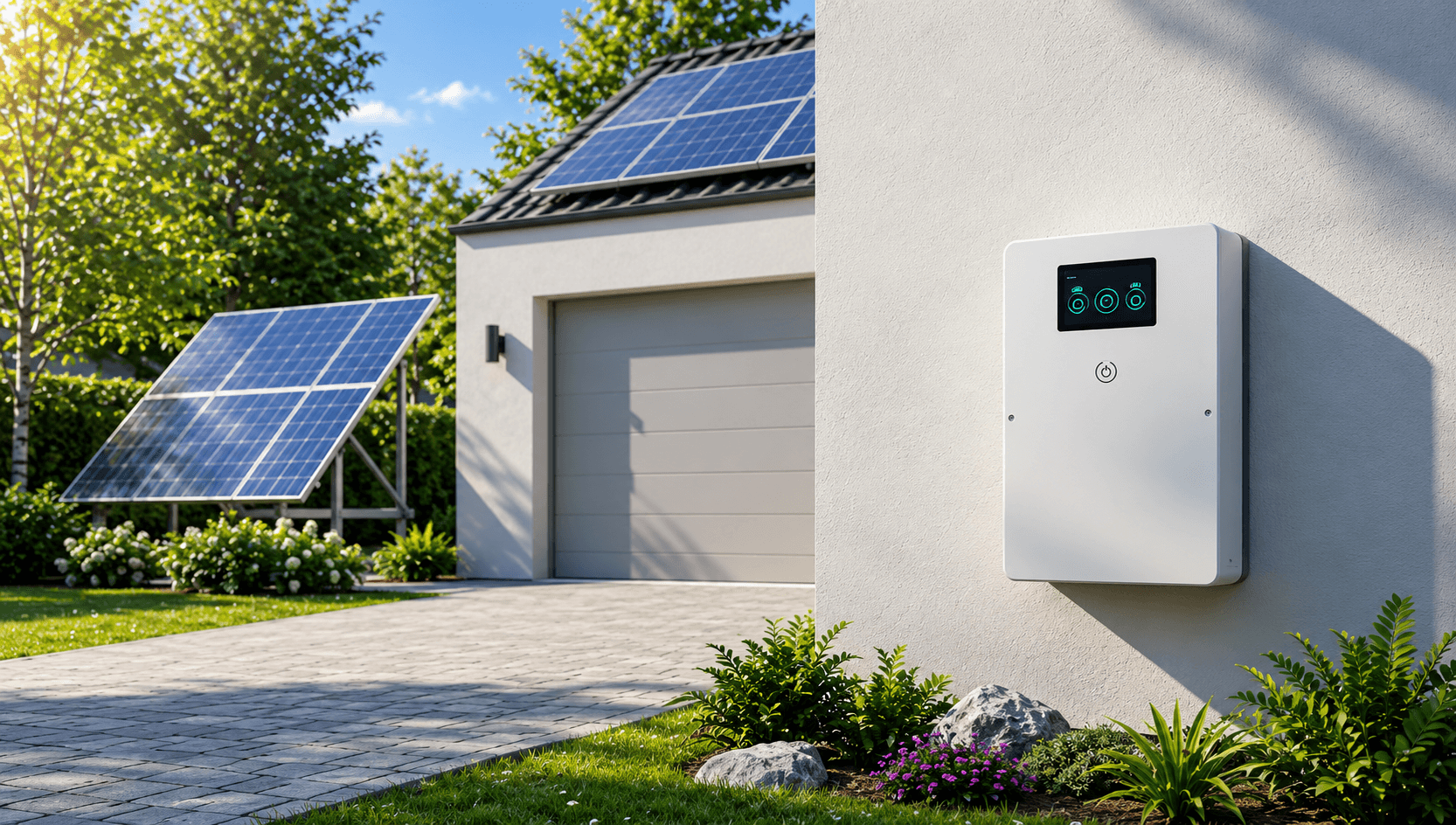
Two homes, same street, very different result
A southwest-facing roof with a stretch of afternoon shade from a neighbor’s tree generates meaningfully less than a clear south-facing roof the same size. A buyback plan that credits your excess generation near retail rate can be worth thousands more over a contract term than one that pays closer to wholesale.
What actually moves the number
It’s rarely about the panels themselves
None of that shows up in a quick online quote. Roof orientation, shading, which buyback plan you land on, and whether the system is sized to your real usage pattern or just your average bill all change whether solar pays for itself in eight years or fourteen. It’s why we start with a conversation about your specific home instead of a number pulled from a satellite photo.
Quick answers
The specifics people usually ask about before the bigger conversation.
The average Texas home needs roughly a 13 to 14 kW system to cover its electricity use, which typically runs $25,000 to $34,000 before any incentives. Your actual number depends on roof size, shading, and how much of your usage you want the system to offset, which is exactly what the interview below is for.
Ready to size a system around your home?
Roof direction, home size, and how your household uses power all change the answer.